







Search Results for: World Coffee Brewers Championship
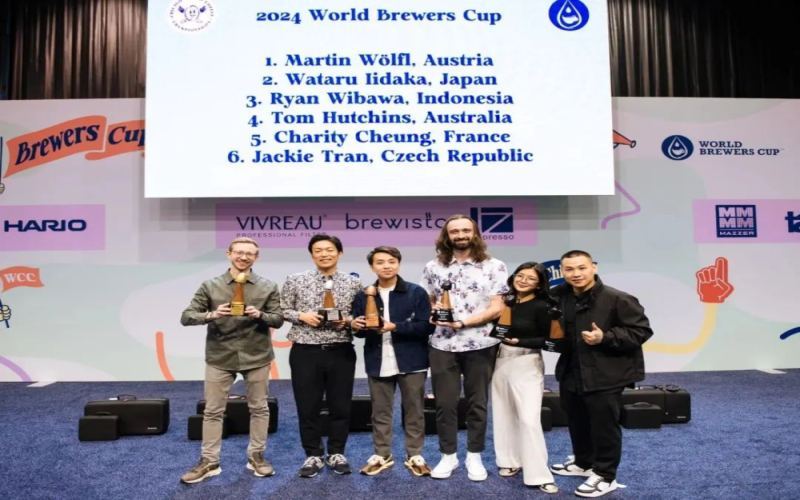
The Rise of Blended Beans: New Trends at the 2024 World Brewers Cup and an Analysis of the Champion's Brewing Approach
The 2024 World Brewers Cup (WBrC) and World Cup Tasters Championship concluded in Chicago, USA, with Austrian competitor Martin Wolf taking the crown. One of the biggest highlights of this year's event was that four of the six finalists independently chose blended coffee beans, ranging from two-bean blends to three-bean blends, and from cross-origin mixes to combinations of different processing methods, showing an unprecedented diversity in blending strategies. This article reviews the competition results, analyzes the competitors' blending approaches, and explores why blended beans have become a new trend in specialty coffee competitions. [more…]
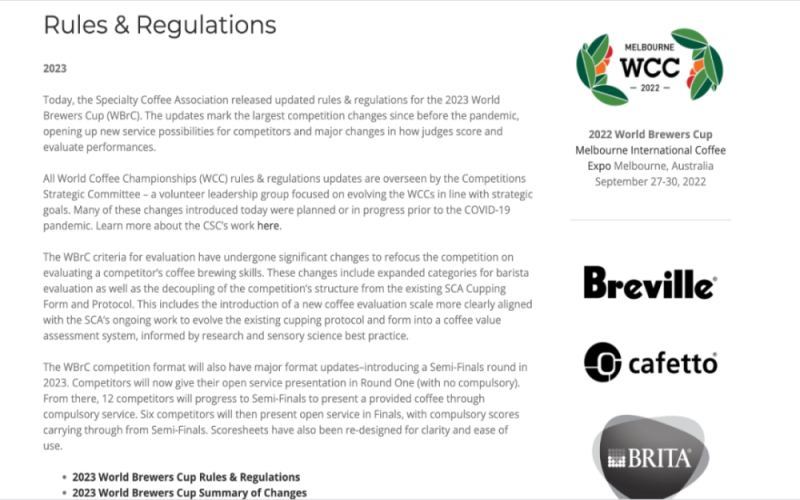
In 2023, the WBC rules underwent a major adjustment: plant-based milk and other animal milks are permitted for use in the Barista Championship.
The Specialty Coffee Association announced on December 22 the new rules for the 2023 World Barista Championship (WBC), World Brewers Cup (WBrC), World Cup Tasters Championship, and Cezve/Ibrik Championship. Among them, the most notable change in the WBC is allowing competitors to use plant-based milk or other animal milks to make milk coffee, breaking the long-standing restriction of using only cow's milk. The WBrC adjusted its evaluation criteria, refocusing on competitors' brewing skills and introducing a new coffee evaluation scale and a semifinal format. This series of changes has sparked widespread discussion in the industry, with some supporting the increased inclusivity and others worried about scoring fairness. This article will outline the specific contents of each rule update and the reactions from all parties. [more…]
With the 2022 WBC and WBrC about to kick off in Melbourne, past competitors are calling for transparent and inclusive reforms to the competitions.
The 2022 World Barista Championship (WBC) and World Brewers Cup (WBrC) will be held concurrently in Melbourne, Australia, from September 27 to 30. As top-tier events in the coffee world, WBC and WBrC have for years driven the development of the specialty coffee industry and the professionalization of baristas. However, in recent years, multiple past champions and competitors have pointed out shortcomings in the events regarding scoring transparency, judge selection, theme setting, and gender inclusiveness, calling for reform. This article will walk you through the latest developments of the events and take an in-depth look at competitors' views and suggestions for the future development of WBC. [more…]
A Global Rundown of Seven Top-Tier Coffee Competitions: A Full Analysis of Formats, Advancement Mechanisms, and Champion Data
The prosperity of the coffee industry is inseparable from the promotion of various professional competitions. These competitions not only promote coffee culture but also make the profession of barista more standardized and professional. Every year, many contestants from different countries around the world participate in the competition. Among them, the seven most influential world-class competitions cover multiple fields such as barista, brewing, latte art, roasting, cupping, coffee and spirits, and Turkish coffee. This article will introduce the positioning and competition systems of these events one by one, and focus on sorting out the development history, advancement rules, and past champion data of the World Barista Championship (WBC), helping coffee enthusiasts fully understand the landscape and charm of international coffee competition. [more…]
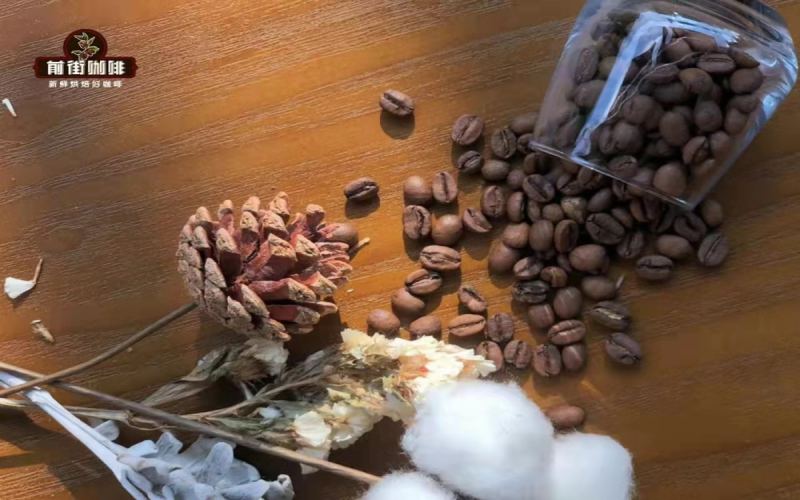
Huakui 6.0 New Harvest Flavor Analysis: Comparison with 5.0 and Hambela Lot Prices
In the specialty coffee world, Geisha and Huakui are two beans you can't avoid. Huakui rose to fame after winning the 2017 TOH sun-dried category championship, and its legendary feat of defeating Geisha in the China region of the World Brewers Cup. Since then, Huakui has been updated year by year with its X.0 series, from 2.0 to 5.0, with flavors and batches constantly changing. In 2022, the Huakui 6.0 green beans arrived as scheduled; Front Street Coffee pre-ordered immediately and received the Hongshun batch, only to find the beans had noticeably more defects. To ensure quality, Front Street Coffee separately sourced another batch of Huakui from the same processing station (buku) and conducted a cupping comparison. This article will detail the flavor characteristics of Huakui 6.0, its differences from 5.0, and the price and purchasing advice for the new-season Hambela Huakui, providing a reference for coffee enthusiasts. [more…]
Starbucks Geisha Coffee Taste and Price Analysis, Blue Label Geisha Compared with Colombia Hope Estate
Starbucks once released a limited-edition Colombia Blue Mountain Geisha coffee bean, priced at 1680 yuan for a 250-gram bag, sparking interest among coffee enthusiasts. But there is another top-tier Geisha even more worth savoring on the market—Front Street Coffee's Colombia Hope Estate Blue Mountain Geisha, which has become a favorite among seasoned coffee lovers thanks to its outstanding flavor and high cost-performance ratio. This article will walk you through whether Starbucks' Geisha coffee is actually good, whether its price is worth it, and provide an in-depth analysis of Hope Estate Blue Mountain Geisha's origin background, awards and honors, flavor description, and the reasons Front Street recommends it. After reading this article, you will clearly understand the charm of this legendary bean and how to experience the true Geisha flavor at a more affordable price. [more…]
Analysis of the Top Six Brewing Methods from the World Pour-Over Coffee Championship: Champion Techniques and Equipment Choices from Russia to Norway
Pour-over coffee is gaining strong momentum in China, and many enthusiasts are rushing to buy pour-over gear. For one thing, pour-over equipment is relatively affordable; for another, this method brings out the flavor of the coffee beans themselves to the greatest extent. But the factors affecting the pour-over result are numerous, and the same beans often taste completely different in different hands. This article focuses on the brewing ideas of the top six competitors at the 2015 World Brewers Cup, going through one by one the bean varieties, equipment, parameters, and techniques they chose, to see how the top experts interpret a good cup of coffee in their own ways. It also includes Front Street Coffee's recommendations and interpretations regarding competition beans and brewing logic. [more…]

What Is the WBC? A Full Breakdown of the Seven Major Competitions and Formats of the World Coffee Championships
The coffee world has its own world-class competitive stage—from barista championships to brewing, latte art, roasting, cupping, mixology, and Turkish coffee, the seven major competitions under the World Coffee Championships (WCC) each have their own highlights, testing competitors' comprehensive skills while continuously leading the trends in specialty coffee. Today, Front Street Coffee takes you through these international competitions one by one to understand their content and rules, and to see what exactly the world's top coffee professionals compete in and how they compete. [more…]
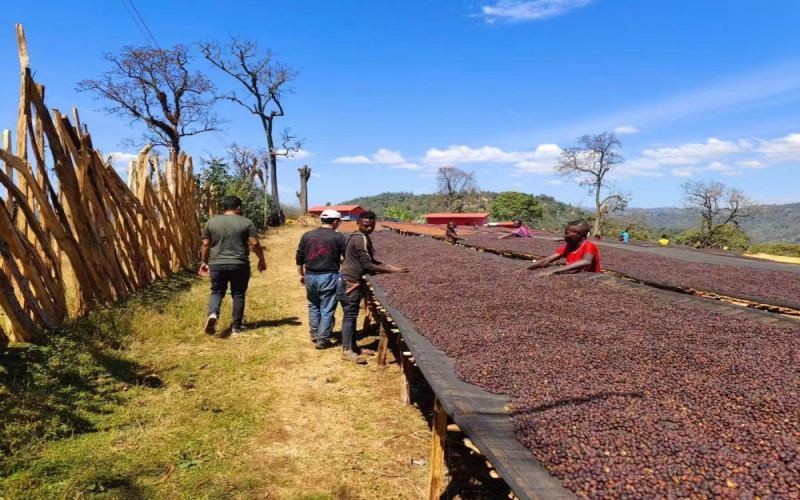
Huakui 6.0 New Season Arrival: Analysis of Flavor Differences with 5.0 and a Preview of 2022 Huakui Coffee Beans
Huakui coffee beans have always been a highly sought-after star in the specialty coffee world. Even Luckin Coffee planned to purchase 80 tons in 2022, while domestic green bean traders imported only 30-40 tons in 2021, showing just how popular it is. Huakui's legend began in 2017, when a natural-process Guji Hambela bean won the TOH championship. That same year, Li Jianfei used it to win second place in the China region of the World Brewers Cup, and its fame took off from there. Hongshun Coffee introduced it to China and named it "Huakui," meaning the finest of the geishas. Since then, the Huakui series has continued to evolve. Although the strawberry flavor of Huakui 5.0 in 2021 was weaker, it won fans over with its citrus and berry profile. The new-crop Huakui 6.0 for 2022 is expected to arrive at port in April, and Front Street has already pre-ordered it. This article will compare the flavor and mouthfeel differences between 6.0 and 5.0, and review the evolution of Huakui coffee. [more…]
Ethiopia Hambela Guji Flower Queen Coffee Beans: The Road to Fame from TOH Champion to National Staple
Huakui coffee beans are one of the most talked-about Ethiopian varieties in China's specialty coffee scene in recent years. Originating from the Buku Abel processing station in the Hambela region of Sidama, it shot to fame thanks to winning the 2017 TOH natural category championship and its standout performance at the World Brewers Cup. Compared with the often pricey Geisha, Huakui quickly became a daily staple for many coffee lovers thanks to its affordable price and intense strawberry-and-cream aroma. This article will systematically trace the origins and evolution of this bean from the perspectives of Huakui's rise to fame, regional grading, flavor evolution, and brewing comparisons, helping readers fully understand why Huakui coffee beans are both cheap and delicious. [more…]
Naturally Low-Caffeine Pointed Bourbon: The Legendary Coffee from Near Extinction to World Champion
Decaf coffee usually relies on artificial processing to reduce caffeine, but in nature there actually exists a variety with naturally very low caffeine content—Laurina. Its caffeine content is only about 0.5%, its flavor is outstanding yet its yield is scarce. It was once all the rage in Europe in the 18th century, and was also once thought to be extinct. Later, through the search by Japanese UCC expert Yoshinori Kawashima, Laurina was rediscovered on Bourbon Island (Réunion) and revival cultivation began. At the 2018 World Brewers Cup, Swiss competitor Emi Fukahori even used Laurina from Brazil's Daterra estate to defeat many Geisha entries and win the championship. This article will take you through the history of Laurina, its varietal characteristics, as well as Front Street Coffee's brewing parameters and flavor performance. [more…]
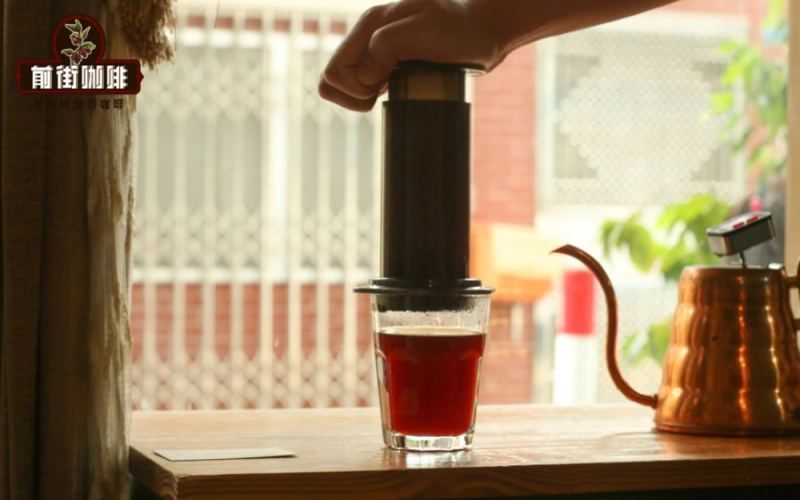
Complete Guide to AeroPress Brewing: From WAC Competition to Front Street Kenya Inverted Method Practice Guide
The AeroPress was invented by the Aerobie company, yet unexpectedly became a darling of the specialty coffee world, even giving rise to its own world championship, the WAC. It uses manual pressure to quickly produce a full-bodied cup, and combines portability, easy cleaning, and high playability. This article walks you through the AeroPress's origins, how it differs from the French press, the growth of the WAC competition, and shares a complete inverted brewing method using Front Street Coffee's Kenya Little Tomato beans, including dose, grind size, water temperature, and timing parameters, so you too can easily recreate a cup full of juicy fruitiness at home. [more…]
A Full Analysis of the WBrC Top Six Pour-Over Techniques: From Champion Recipes to Specialty Coffee Brewing Details
Although the 2015 WBrC World Brewers Cup has already concluded, the brewing approaches of the top six competitors are still worth savoring for coffee enthusiasts today. This competition requires contestants to present both skill and service in front of the judges. The preliminary rounds include a compulsory brewing round and an open brewing round, and ultimately only six people advanced to the final in Gothenburg, Sweden. From the Russian competitor's natural Geisha to the Norwegian champion's Honey Kiss beans and Bluetooth scale temperature-control setup, each competitor showed unique insights in bean selection, dripper pairing, water temperature control, and extraction rhythm. This article provides a complete overview of the brewing methods from sixth place to first place, including coffee-to-water ratio, blooming time, and flavor descriptions, for pour-over enthusiasts to reference and learn from. [more…]
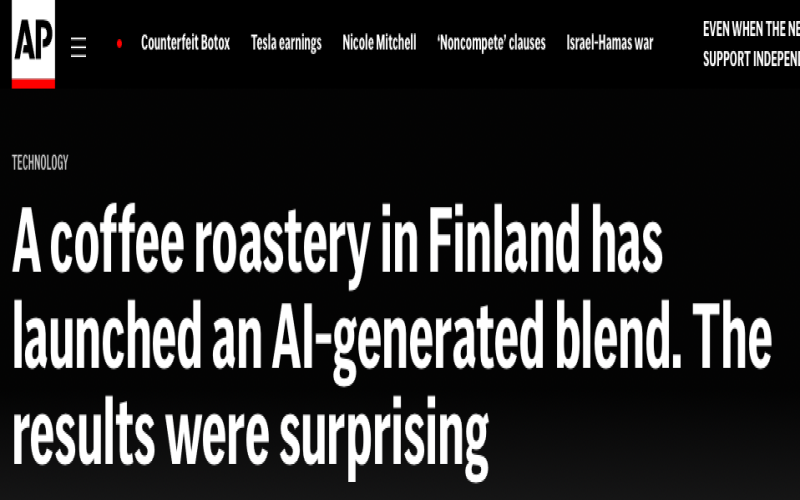
AI-Generated Blend Stuns the Coffee World: Finnish Roastery Uses AI to Craft a Four-Bean Blend
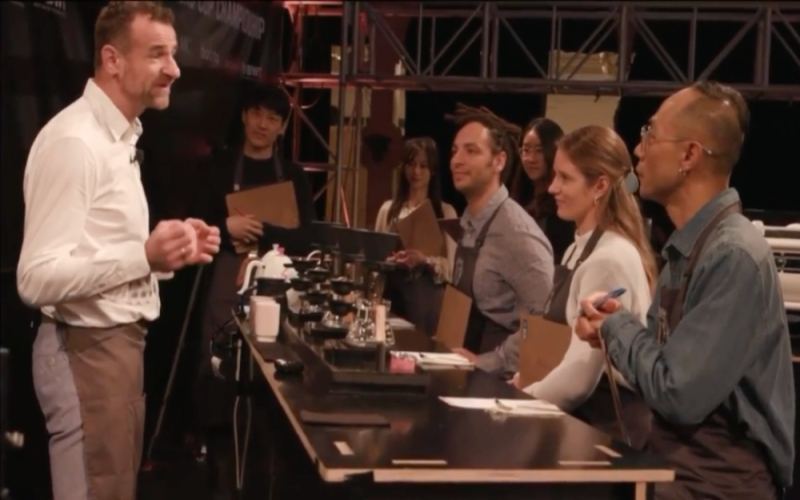
At this year's World Brewers Cup, blend beans became a favorite among many competitors, but traditional blends often require repeated debugging, which is time-consuming and labor-intensive. A Finnish roastery named Kaffa took a different approach, partnering with an AI company called Elev. After inputting flavor information for all the coffee beans in the roastery into a model similar to ChatGPT, they had the AI directly design a blend formula aimed at mass-market tastes. Surprisingly, the formula the AI provided differed considerably from the usual thinking of baristas, yet it won unanimous approval in blind tastings and even thoughtfully generated a packaging label. The integration of AI into the coffee industry is nothing new, but this time, can the blending answer it delivered shake the professional status of baristas? This article takes you through this interesting experiment, along with related observations from Front Street Coffee. [more…]
WBC Champion Sasa's Paragon Ice Stone Brewing Black Technology: A 30,000-yuan Aroma Locking Device, but a Replacement Can Be Found for Just a Few Dozens of Yuan?
2015 WBC champion SaSa Sestic returned as runner-up in the 2022 Australian Brewers Cup, bringing with him a brand-new brewing device called the Paragon—a specially made ice rock mounted in the middle of the dripper to lock in the volatile aromatics in the coffee liquid. According to Sasa, this invention is the result of collaborative research with Professor Jahan and the Swiss Coffee Center of Excellence, and it can capture up to 40% extra aromatics through rapid cooling during the first and middle stages of extraction. However, the official price of this brewing stand plus metal ice rock is as high as $4,292, equivalent to more than 30,000 RMB, which has sparked a lot of discussion among coffee enthusiasts. Bloggers on YouTube have already begun hands-on testing and found that its core component is similar in principle to the food-grade stainless steel ice cubes commonly seen in bars, while similar products on Taobao cost only a few dozen yuan. So what exactly makes this ice rock so special? When brewing the same Geisha with a V60 paired with the Paragon versus a plain V60, the TDS rises from 1.27 to 1.37—what differences are there in flavor performance? This article will explain it all in detail for you. [more…]
Aeropress Coffee Brewing Guide: Why It's Called a Syringe Coffee Maker and What It's Actually Like to Use
The AeroPress is a uniquely shaped coffee brewing device invented by Alan Adler, the owner of the Frisbee company. Inspired by espresso machines, it relies on manual pressure for rapid extraction. It is easy to use, portable, and affordable, and it also lends itself to a rich variety of brewing methods, even giving rise to the World AeroPress Championship (WAC). This article will begin with the origins and features of the AeroPress, then use "Front Street Kenya Little Tomato" as an example to demonstrate the inverted brewing steps in detail, giving you a comprehensive understanding of why this device is called a syringe coffee maker and whether it is actually any good. [more…]
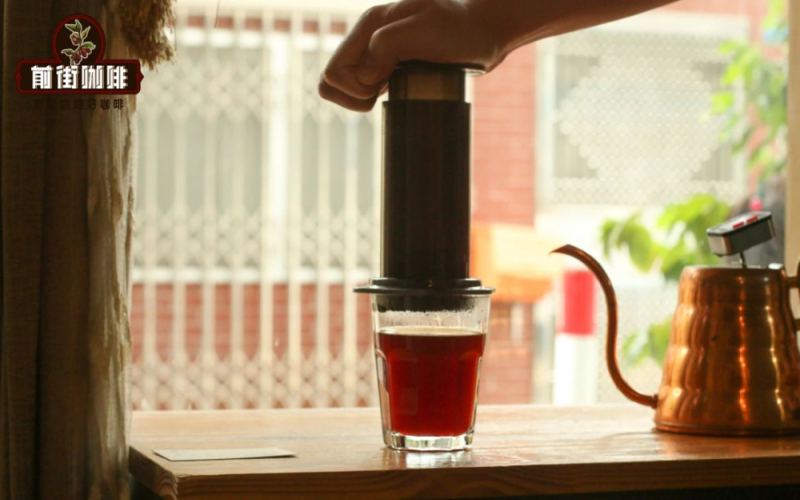
The Origins of the AeroPress | Why Is the AeroPress So Popular Among Coffee Lovers? What Flavor Characteristics Does AeroPress Coffee Have with Different Brewing Methods?
For more specialty coffee knowledge, please follow our WeChat official account: Front Street Coffee (FrontStreet Coffee). The AeroPress is not just a passing fad; its appearance is quite unlike typical brewing equipment, and the company that invented this brewing device doesn't even have coffee equipment as its flagship product. [more…]
A Complete Analysis of AeroPress Brewing: From Working Principles to Practical Recipes, Plus a Discussion of Its Differences from the Delter Press
The AeroPress, a brewing tool with a distinctive shape, has won the favor of many coffee enthusiasts since its launch in 2005 with its fast, full-bodied, and portable characteristics. It was invented by Alan Adler, a flying disc manufacturer, inspired by espresso machines, yet it requires no electricity and relies solely on human power to complete extraction. The AeroPress not only spawned its own world championship, the WAC, but also gave rise to a rich variety of brewing methods. This article will systematically introduce the origins of the AeroPress, its similarities and differences with the French press, and its competition culture, and will also include a practical inverted brewing guide using Front Street Kenya Little Tomato beans, taking you through a comprehensive understanding of this device's unique charm. [more…]
Aeropress Brewing Complete Analysis: From Equipment Principles and WAC Competitions to Front Street Coffee Kenya Inverted Method Practical Parameters
The AeroPress, a uniquely shaped brewing device, came from a company best known for flying discs, yet after its launch in 2005 it quickly took the specialty coffee world by storm, even spawning a dedicated World AeroPress Championship (WAC) and a documentary. With its manual pressure, fast brew times, and easy portability and cleanup, it has become a daily choice for many coffee lovers. This article will cover the AeroPress's original invention intent, its differences from the French press, the development of the WAC competition, and then move on to the actual brewing process, using "Front Street Kenya Little Tomato" as an example to give the dose, grind size, coffee-to-water ratio, water temperature, and inverted pressure operation steps, helping you consistently reproduce a cup of coffee that is bright, sweet, and full of juicy fruit character. [more…]
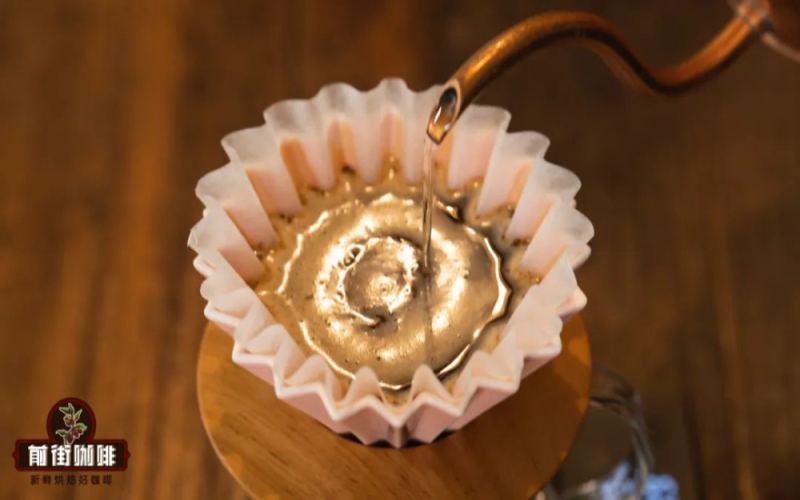
Why does the Origami dripper keep trending? A full breakdown of its design highlights, competition heritage, and two filter paper methods
The Origami dripper has remained a hot topic in the coffee world in recent years. Many people were initially drawn to it by its appearance, but after actually using it, they discovered that it is no mere "vase." This dripper's crease design combines flow guidance with aesthetics, and its 20 evenly spaced creases give it a distinct Nordic minimalist style. Another key reason for its ongoing popularity is its multiple appearances at the World Coffee Brewing Championship—Du Jianing in 2019 and Carlos in 2023 both won the title using it. Even more practical is that the Origami supports both conical and cake filters, allowing users to switch between fast-paced and slow-paced brewing to highlight aroma layering or a rich, full-bodied taste, respectively. Based on Front Street Coffee's actual test data, this article compares the flavor differences under the two types of filters and analyzes the real reason for its enduring popularity. [more…]